Magnolia: A Handwritten Font for Elegant Design
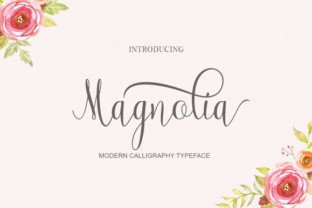
Magnolia is a distinctive handwritten font that offers a refined and sophisticated aesthetic. With nearly 350 glyphs, it provides a wide range of characters and symbols, making it versatile for various design applications. The font's elegant look gives it a premium feel, which makes it ideal for projects that require a touch of class and style.
Understanding the Creation of Magnolia
The development of Magnolia was guided by three core values: elegance, coherence, and uniqueness. Each letterform was meticulously crafted to ensure consistency in design while maintaining a distinct personality. This attention to detail required multiple iterations, as each character had to be drawn, digitized, optimized, and tested. The result is a font that balances beauty with functionality, offering a polished appearance without sacrificing readability.
When to Consider Using Magnolia
Magnolia is particularly well-suited for projects that emphasize personalization and sophistication. It works exceptionally well for wedding invitations, where its flowing script can add a sense of romance and formality. Similarly, it is an excellent choice for letterheads, business cards, and baby shower invitations, where a custom and elegant look is desired.
Its versatility allows users to apply it across different mediums, from print to digital formats. However, because of its decorative nature, it may not be the best option for body text or long paragraphs, where clarity and legibility are paramount.
Benefits of Choosing Magnolia
One of the primary advantages of Magnolia is its ability to elevate the visual appeal of any design. Its handwritten style adds a personal touch that can make a project stand out. Additionally, the font’s extensive glyph set ensures that users have access to a variety of characters, including special symbols and punctuation, which can be useful in more complex layouts.
Another benefit is its adaptability. Whether used in a minimalist design or a more elaborate composition, Magnolia can be adjusted to fit different styles and themes. This flexibility makes it a valuable asset for designers looking to add a unique flair to their work.
Considerations and Tradeoffs
While Magnolia is visually appealing, it is important to consider its limitations. As a decorative font, it may not be suitable for all types of content. For instance, using it for large blocks of text could reduce readability, especially on screens or in small sizes. Designers should also be mindful of how it pairs with other fonts, as it may require careful selection to maintain a cohesive look.
Additionally, the time-intensive creation process of Magnolia means that it may not be as widely available as some other fonts. Users should verify that it is compatible with their preferred design software and that it meets their technical requirements before incorporating it into a project.
Alternatives to Magnolia
For those seeking a similar aesthetic but with different characteristics, there are several alternatives to consider. Fonts like Great Vibes or Playfair Display offer a comparable level of elegance but may vary in terms of weight, spacing, and overall style. These alternatives might be better suited for specific use cases, such as headlines or titles, where a more structured appearance is needed.
If a more modern or minimalistic look is preferred, fonts like Lora or Raleway could be worth exploring. They provide a clean and professional appearance while still maintaining a sense of refinement. Ultimately, the choice of font should align with the project’s goals and the intended audience.
Practical Insights for Decision-Making
When evaluating whether Magnolia is the right choice, it is helpful to consider the specific needs of the project. For example, if the goal is to create a luxurious and personalized design, Magnolia could be an excellent fit. However, if the focus is on clarity and ease of reading, a more straightforward font might be preferable.
Designers should also test the font in different contexts to see how it performs. This includes checking its appearance at various sizes, on different backgrounds, and in combination with other elements. By doing so, they can ensure that it meets both aesthetic and functional requirements.
In summary, Magnolia is a powerful tool for adding elegance and individuality to design work. Its thoughtful creation and rich glyph set make it a compelling option for those who value style and sophistication. However, its suitability depends on the specific needs of the project, and careful consideration should be given to its strengths and limitations.