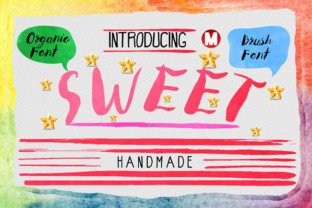
Sweet: A Handmade, Organic Brush Font for Creative Workflows
Sweet is a handmade, organic brush font that brings a personal and artistic touch to design projects. Its fluid strokes and natural texture make it ideal for a wide range of applications, from invitations and greeting cards to branding materials and posters. For professionals and creatives who value authenticity and style, Sweet offers a versatile tool that can enhance both the aesthetic and emotional impact of their work.
Understanding Sweet in the Design Process
Before diving into specific use cases, it’s important to understand where Sweet fits within the broader design process. Whether you’re working on a project from scratch or refining an existing concept, Sweet can be integrated at various stages. Its organic feel makes it particularly effective when paired with clean, modern layouts, as it adds warmth and character without overwhelming the composition.
For instance, during the planning phase of a project, designers might use Sweet to sketch out ideas or create mockups that convey a more human, handcrafted vibe. This can be especially useful when presenting concepts to clients or stakeholders who appreciate a more personal approach to design.
Using Sweet in Real-World Workflows
Sweet is not just a visual element—it’s a tool that can influence the entire workflow. When used in conjunction with other design assets, such as images, icons, or typography, it helps create a cohesive and expressive visual language. For example, a small business owner creating a brand identity might use Sweet for the logo text while pairing it with a sans-serif font for body copy. This contrast enhances readability while maintaining a unique personality.
In marketing campaigns, Sweet can be used to highlight key messages or calls to action. Its brush-like strokes add a sense of movement and energy, making it well-suited for social media graphics, email newsletters, or promotional posters. When designing these materials, it’s important to consider how the font interacts with other elements—such as color schemes, spacing, and alignment—to ensure a balanced and professional look.
Integration with Design Tools and Platforms
Sweet works seamlessly with most design software, including Adobe Photoshop, Illustrator, and InDesign, as well as online tools like Canva and Figma. These platforms allow users to experiment with different sizes, weights, and styles to find the perfect fit for their project. When using Sweet in digital environments, it’s helpful to test it across various devices and screen sizes to ensure consistency and legibility.
For those working in collaborative settings, sharing files that include Sweet can streamline the design process. By embedding the font or providing a downloadable version, team members can maintain visual consistency throughout the project. This is especially valuable in branding efforts where uniformity across all touchpoints is crucial.
Practical Tips for Implementing Sweet
To get the most out of Sweet, start by identifying the specific goals of your project. Are you aiming for a casual, playful tone? Or do you need something more refined and elegant? The font’s versatility allows it to adapt to different moods and styles, but understanding its strengths will help you use it more effectively.
One practical tip is to pair Sweet with complementary fonts. For example, using it alongside a minimalist serif or sans-serif typeface can create a balanced and visually appealing layout. Experimenting with different combinations can help you discover new ways to express your message and engage your audience.
Another consideration is the context in which Sweet will be used. If it’s part of a larger design system, make sure it aligns with other visual elements such as colors, spacing, and imagery. Consistency is key to creating a professional and polished result.
Long-Term Use and Maintenance
When incorporating Sweet into long-term projects or recurring design tasks, it’s important to establish guidelines for its use. This includes defining when and how the font should be applied, as well as setting standards for size, weight, and spacing. These guidelines help maintain quality control and ensure that the font continues to serve its purpose effectively over time.
Regularly reviewing and updating designs that use Sweet can also help keep the visual identity fresh and relevant. As trends evolve and user preferences shift, adjusting how Sweet is used can help maintain its impact and effectiveness.
Conclusion: Enhancing Creativity with Sweet
Sweet is more than just a font—it’s a creative tool that can elevate the quality and uniqueness of design work. By integrating it thoughtfully into workflows, designers and professionals can add a personal touch that resonates with audiences. Whether used in branding, marketing, or personal projects, Sweet offers a way to express creativity with authenticity and style.