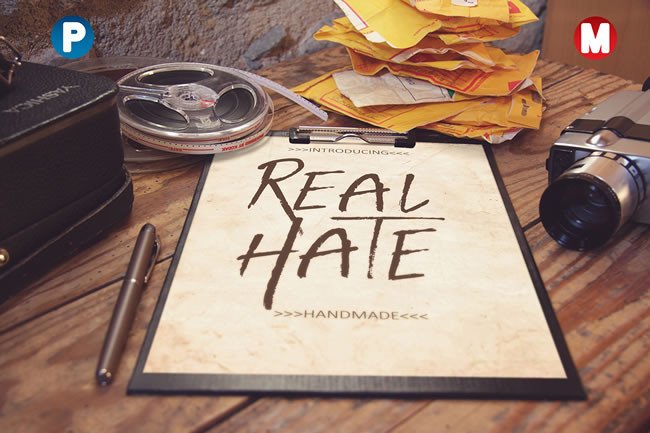
Real Hate: A Bold New Typeface for Modern Designers
In a world where visual communication is more important than ever, the right typeface can make all the difference. For designers, entrepreneurs, and creatives looking to stand out in a crowded market, Real Hate has emerged as a fresh and powerful option. This handmade, modern typeface is not just another font—it's a statement. With its unique aesthetic and versatility, Real Hate is quickly becoming a favorite among professionals who want to add a touch of originality to their work.
Whether you're designing invitations, greeting cards, branding materials, or business cards, Real Hate offers a distinctive look that captures attention. Its raw, unpolished feel gives it an edge that sets it apart from more traditional typefaces. But what exactly makes Real Hate so appealing, and why is it gaining traction in the design community?
The Rise of Handmade and Unconventional Typography
Typography has always been a reflection of cultural and artistic trends. In recent years, there's been a growing appreciation for handmade and unconventional typefaces. This shift aligns with broader movements in design that value authenticity, individuality, and emotional resonance. Real Hate fits perfectly into this landscape, offering a typeface that feels personal and intentional.
Unlike mass-produced fonts that often feel generic, Real Hate carries the mark of its creator. Each letterform is crafted with care, giving the typeface a sense of character that cannot be replicated by algorithmic design. This handmade quality resonates with designers who are looking for something that feels more human and less digital.
Moreover, the rise of social media and digital platforms has increased the demand for visually striking content. Whether it's a social media post, a website header, or a poster, the right typeface can elevate the overall impact. Real Hate is ideal for these applications, providing a bold and memorable presence that commands attention.
Why Real Hate is Gaining Attention
There are several reasons why Real Hate is catching the eye of designers and businesses alike. First and foremost, it's a fresh take on typography that breaks away from the norm. In a field where many fonts tend to blend together, Real Hate stands out for its distinctiveness.
Another factor contributing to its popularity is its adaptability. While it may have a strong, edgy appearance, Real Hate can be used in a variety of contexts. It works well for both high-impact headlines and more subtle body text, depending on how it's styled. This flexibility makes it a valuable addition to any designer's toolkit.
Additionally, Real Hate appeals to a generation that values authenticity and uniqueness. Younger audiences, in particular, are drawn to designs that feel genuine and expressive. By using Real Hate, designers can communicate a sense of creativity and innovation that resonates with these audiences.
Practical Applications of Real Hate
The versatility of Real Hate makes it suitable for a wide range of design projects. Let's explore some of the most common applications:
- Invitations and Greeting Cards: Real Hate adds a unique flair to event invitations and holiday cards, making them stand out from the crowd.
- Branding Materials: For businesses looking to establish a strong visual identity, Real Hate can be used in logos, stationery, and packaging to create a memorable brand presence.
- Business Cards: A well-designed business card can leave a lasting impression. Real Hate offers a bold and professional look that makes a strong first impression.
- Quotes and Posters: Whether it's a motivational quote or a promotional poster, Real Hate provides a dynamic and eye-catching way to convey messages.
- Web and Digital Content: From website headers to social media graphics, Real Hate can be used to enhance digital content and make it more engaging.
These examples illustrate how Real Hate can be integrated into different aspects of design, helping creators express their vision in a more impactful way.
Connecting to Broader Trends in Design and Technology
The success of Real Hate is not just about its visual appeal—it's also tied to larger trends in the design and technology industries. As more people turn to digital tools for creative expression, there's a growing need for fonts that offer both functionality and personality.
With the rise of remote work and freelance design, professionals are seeking tools that help them differentiate themselves in a competitive market. Real Hate serves this purpose by allowing designers to create work that feels original and meaningful. It's not just a font; it's a way to communicate style, attitude, and creativity.
Furthermore, the increasing use of AI in design has led to a renewed interest in handmade and artisanal elements. While AI-generated fonts can be efficient, they often lack the soul and character that come from human craftsmanship. Real Hate represents a counterbalance to this trend, emphasizing the value of manual design in an increasingly automated world.
Conclusion
Real Hate is more than just a new typeface—it's a reflection of current design sensibilities and a response to evolving creative needs. Its handmade quality, bold aesthetic, and versatility make it a valuable asset for designers, entrepreneurs, and marketers looking to make an impact.
As the design industry continues to evolve, the demand for unique and expressive typography will only grow. Real Hate is positioned to meet this demand, offering a fresh and modern solution that stands out in a sea of generic fonts. Whether you're working on a personal project or a professional campaign, Real Hate can help you create something truly special.
For those who are ready to embrace a new era of typography, Real Hate is a compelling choice—one that combines artistry, functionality, and a touch of rebellion in every letter.