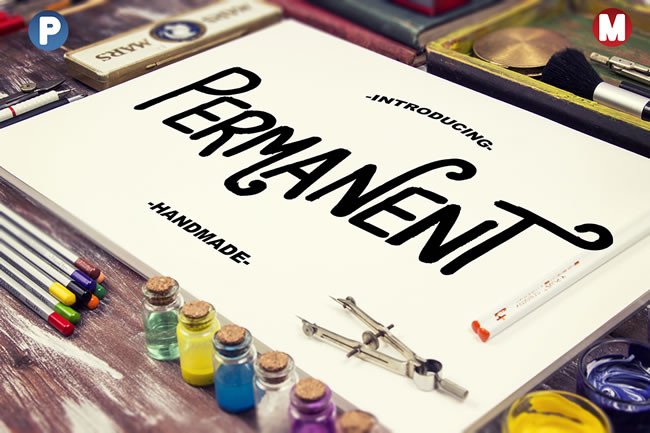
Discover the Charm of Permanent: A Handmade Typeface for Creative Projects
In the world of design, typography plays a crucial role in conveying messages and setting the tone of visual communication. One standout typeface that has recently captured attention is Permanent. This handmade, fresh, and playful font offers a unique blend of elegance and creativity, making it ideal for a wide range of design projects. Whether you're creating invitations, greeting cards, branding materials, or posters, Permanent can elevate your work with its distinctive character.
The popularity of Permanent stems from its ability to combine traditional craftsmanship with modern design needs. Unlike mass-produced fonts, Permanent brings a personal touch, reflecting the artisanal spirit of handcrafted typography. This makes it particularly appealing to designers who value authenticity and want to add a human element to their work.
Understanding the Needs and Challenges of Designers
Designers often face the challenge of finding a font that not only looks good but also serves the purpose of the project effectively. Many standard fonts can feel generic, leading to a lack of originality in design work. Additionally, the need for versatility is essential—designs must be adaptable across various media and formats without losing their impact.
For those working on creative projects like invitations or branding materials, the right typeface can make all the difference. It should be readable, yet expressive enough to capture the essence of the message. Permanent addresses these needs by offering a balance between style and functionality, ensuring that it remains legible while adding a unique flair to any design.
How Permanent Can Help Solve Common Design Issues
Permanent is designed with practicality in mind, making it an excellent choice for a variety of applications. Its playful nature allows it to stand out in a crowded design landscape, while its readability ensures that it remains effective for both short and long text.
One of the key benefits of using Permanent is its adaptability. Whether you're designing a business card, a poster, or a social media graphic, this typeface can seamlessly integrate into different formats. Its versatility means that it can be used in both digital and print media, providing consistent results across platforms.
Moreover, Permanent is perfect for projects that require a personal touch. For instance, when creating greeting cards for special occasions, the font's handmade quality can evoke a sense of warmth and sincerity. This makes it an excellent choice for designers looking to create a more intimate connection with their audience.
Practical Applications and Outcomes of Using Permanent
The applications of Permanent are vast, making it a valuable asset for any designer's toolkit. Let's explore some specific scenarios where this typeface can shine:
- Invitations: Permanent adds a charming and personalized touch to wedding or event invitations, making them stand out from the crowd.
- Greeting Cards: Whether it's a birthday, anniversary, or thank-you card, Permanent can enhance the message with its playful and elegant style.
- Branding Materials: For businesses looking to establish a unique identity, Permanent can be used in logos, packaging, and other branding elements to create a memorable visual presence.
- Posters and Banners: The font's distinctiveness makes it ideal for eye-catching posters and banners, especially for events or promotions that require a bold and creative approach.
- Quotes and Social Media Content: Permanent can be used to highlight quotes or messages on social media, adding a visually appealing element that captures attention.
By incorporating Permanent into these projects, designers can achieve a cohesive and professional look while maintaining a sense of individuality. The font's ability to convey emotion and personality makes it a powerful tool in the hands of creative professionals.
Considerations for Different Users
While Permanent offers many benefits, it's important to consider how different users may approach its implementation. For example, a graphic designer working on a corporate project may choose to use Permanent more subtly, pairing it with a more traditional font to maintain professionalism. On the other hand, a freelance artist might embrace the full potential of Permanent, using it as the centerpiece of their designs to express their creative vision.
Additionally, users should be mindful of the context in which they apply Permanent. While it excels in creative and personal projects, it may not be suitable for highly formal or technical documents where clarity and neutrality are paramount. Understanding the appropriate use cases will help ensure that the font enhances rather than detracts from the overall design.
Ultimately, Permanent is more than just a typeface—it's a versatile tool that can inspire creativity and elevate design work. By understanding its strengths and limitations, designers can make informed decisions about how to best utilize this unique font in their projects. Whether you're looking to add a personal touch to your designs or create something truly original, Permanent offers a fresh and engaging solution that can meet a wide range of creative needs.